Environment meaning
Environment can be defined as a sum total of all the living and non-living elements and their effects that influence human life. While all living or biotic elements are animals, plants, forests, fisheries, and birds,. non-living or abiotic elements include water, land, sunlight, rocks, and air..
Environment functions
(1) Provides the supply of resources
- The environment offers resources for production.
- It includes both renewable and non-renewable resources.
- Examples: Wood for furniture, soil, land, etc.
(2) Sustains life
- The environment includes the Sun, soil, water, and air, which are essential for human life.
- It sustains life by providing genetic and biodiversity.
(3) Assimilates waste
- Production and consumption activities generate waste.
- This occurs mostly in the form of garbage.
- The environment helps in getting rid of the garbage.
(4) Enhances the quality of life
- The environment enhances the quality of life.
- Human beings enjoy the beauty of nature that includes rivers, mountains, deserts, etc.
- These add to the quality of life.

What are the Types of Resources?
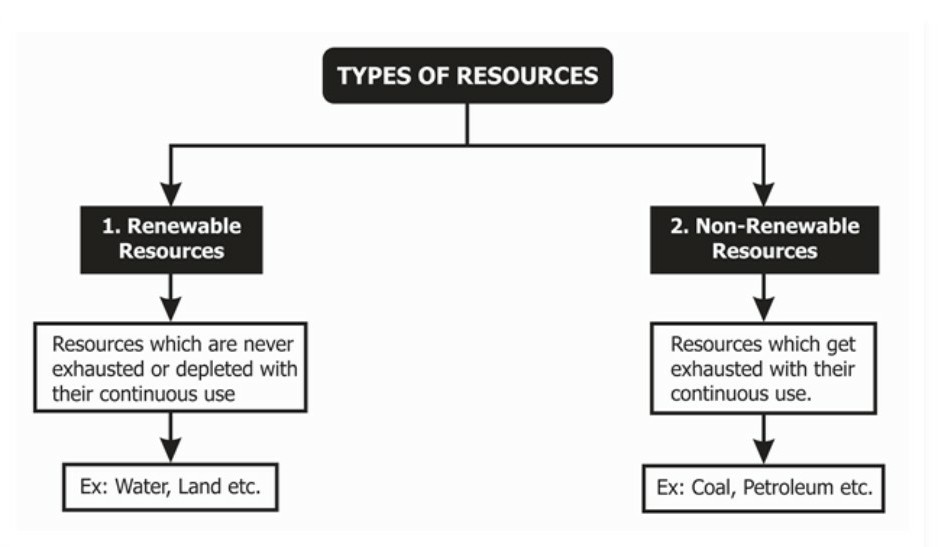
Renewable and Non-Renewable Resources
(1) Renewable resources
- Renewable resources are the resources that can never be exhausted or depleted with continuous use.
- There remains a continuous supply of renewable resources.
- Examples: Water, trees, etc.

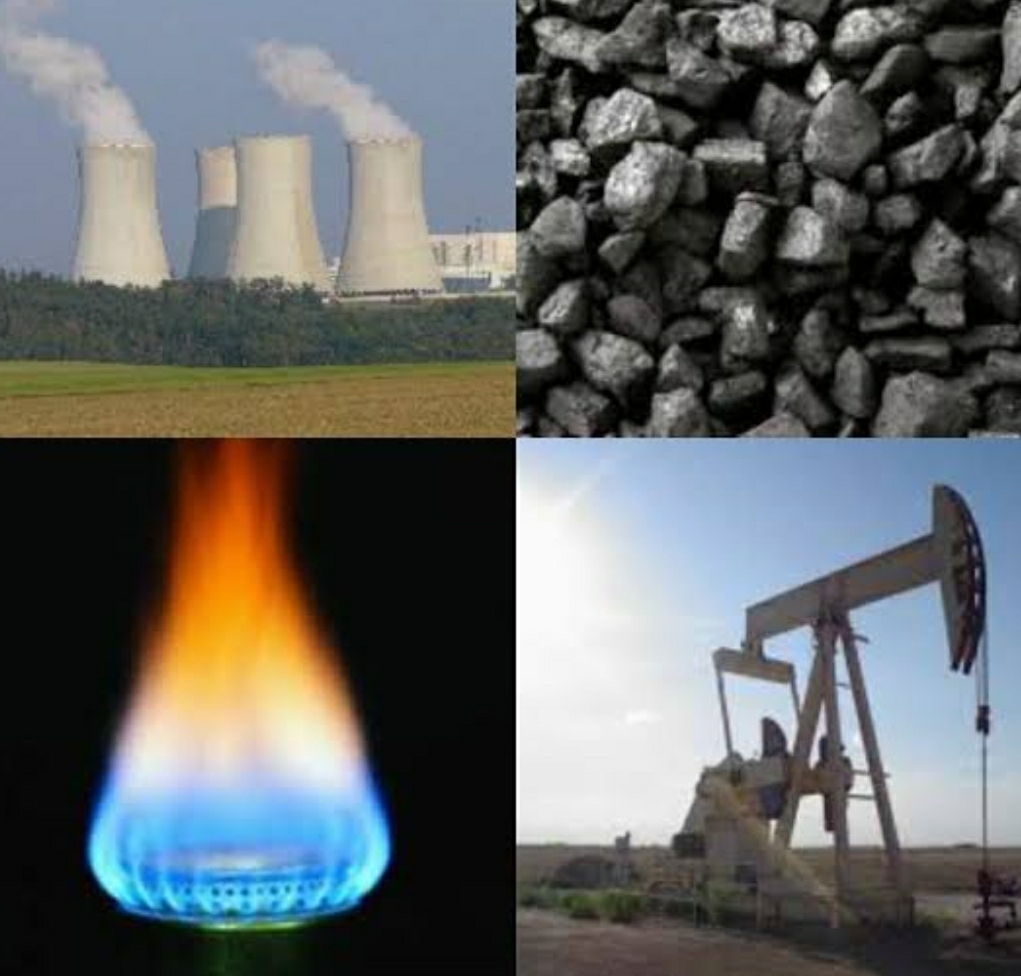
(2) Non-renewable resources
- Non-renewable resources are the resources that get exhausted with their extraction and use.
- Examples: Coal, petroleum, iron ore, etc.
What is environment pollution?
When there is an undesirable change in the surrounding that has harmful effects on plants and animals, it leads to environmental pollution. A pollutant is a substance that causes pollution. We can have pollutants in liquid, solid or gaseous form. A substance becomes a pollutant when its concentration is greater than the natural abundance and this increase in concentration is either due to human activities or natural phenomenon. There are pollutants which can be degraded and rapidly broken down by natural processes similar to the degradation of vegetables. We also have pollutants which take decades to degrade, once released cannot be easily removed. For example, DDT, plastic materials, heavy metals and nuclear waste.

Effects of Environmental Pollution:
It has been seen that pollutants originate at a point and are then transported to other places by the action of wind or water. Some pollutants are dumped into the soil by human beings. This leads to air, water and soil pollution respectively. If the soil is polluted, the useful microorganisms in it will die and the fertility of soil will be lost. The production of crops will decrease. If the soil is not fertile; it will have a harmful impact on the human society. Similarly, if water is polluted then we have to purify it before drinking. Purification needs resources. Lastly, if air is polluted, respiration will become an issue and survival of life will be under threat. Air pollution leads to many respiratory diseases and harms the human body.
Types of environment pollution
1.Air Pollution
Air pollution refers to the release of harmful contaminants (chemicals, toxic gases, particulates, biological molecules, etc.) into the earth’s atmosphere. These contaminants are quite detrimental and in some cases, pose serious health issues. Some causes that contribute to air pollution are:
- Burning fossil fuels
- Mining operations
- Exhaust gases from industries and factories
The effects of air pollution vary based on the kind of pollutant. But generally, the impact of air pollution ranges from:
- Increased risk of respiratory illness and cardiovascular problems
- Increased risk of skin diseases
- May increase the risk of cancer
- Global warming
- Acid rain
- Ozone depletion
- Hazards to wildlife

2.Water Pollution
Water pollution is said to occur when toxic pollutants and particulate matter are introduced into water bodies such as lakes, rivers and seas. These contaminants are generally introduced by human activities like improper sewage treatment and oil spills. However, even natural processes such as eutrophication can cause water pollution.
Other significant causes of water pollution include:
- Dumping solid wastes in water bodies
- Disposing untreated industrial sewage into water bodies
- Human and animal wastes
- Agricultural runoff containing pesticides and fertilisers

3.Soil Pollution
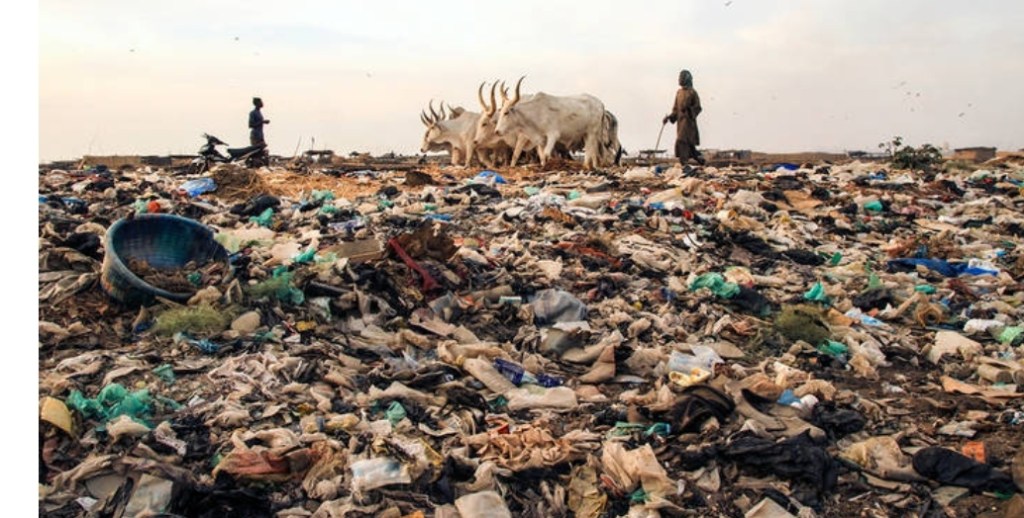
Soil pollution, also called soil contamination, refers to the degradation of land due to the presence of chemicals or other man-made substances in the soil. The xenobiotic substances alter the natural composition of soil and affect it negatively. These can drastically impact life directly or indirectly. For instance, any toxic chemicals present in the soil will get absorbed by the plants. Since plants are producers in an environment, it gets passed up through the food chain. Compared to the other types of pollution, the effects of soil pollution are a little more obscured, but their implications are very noticeable.
4.Noise Pollution
Noise pollution refers to the excessive amount of noise in the surrounding that disrupts the natural balance. Usually, it is man-made, though certain natural calamities like volcanoes can contribute to noise pollution.
In general, any sound which is over 85 decibels is considered to be detrimental. Also, the duration an individual is exposed plays an impact on their health. For perspective, a normal conversation is around 60 decibels, and a jet taking off is around 15o decibels. Consequently, noise pollution is more obvious than the other types of pollution.

How to save our environment?
Hope you liked our project!
Best Regards,
Sannidhyaa Giri and Jagriti Nair
 Class 10-C Biology Project